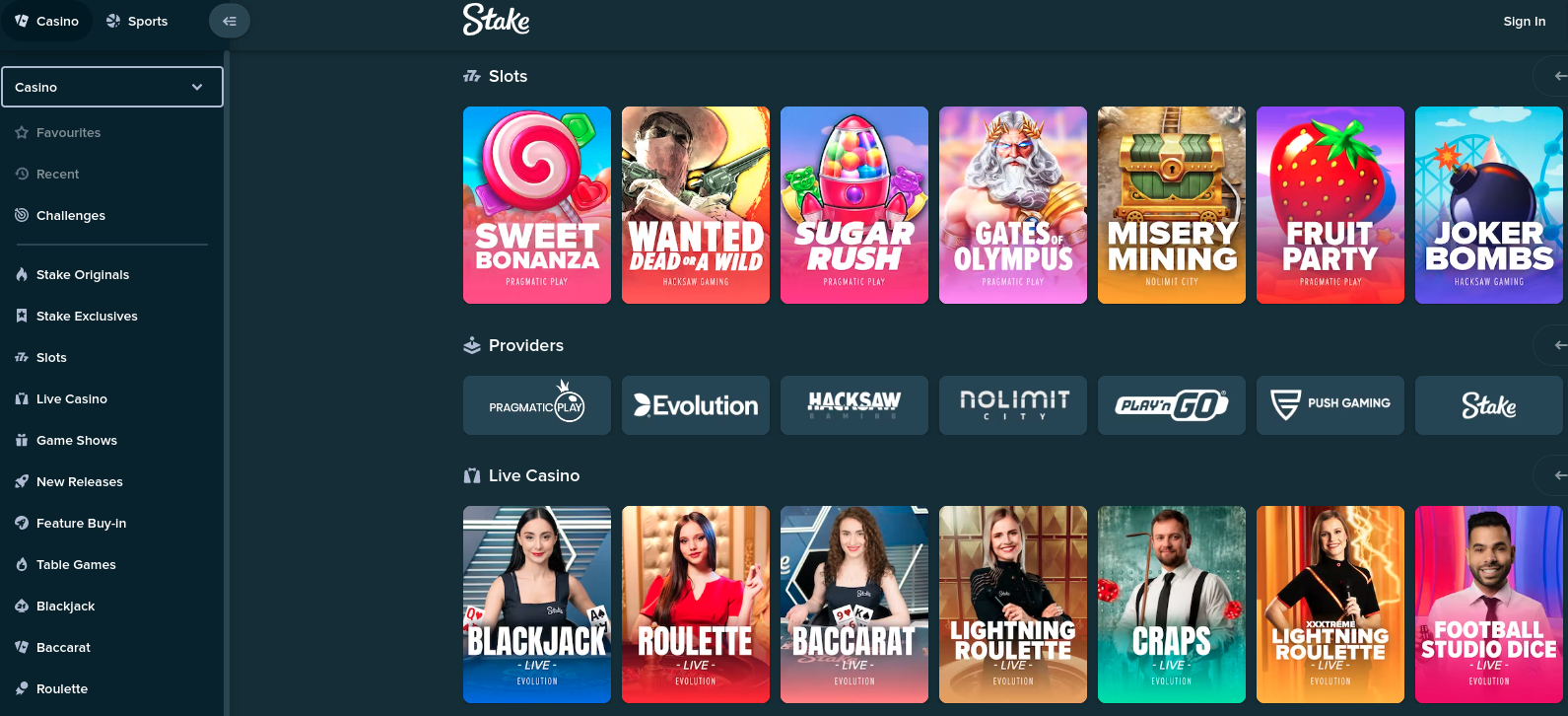
For New Zealand players, an online casino’s security and fairness are critical essentials. Stake Casino, a major platform present in New Zealand, works within a strict regulatory system designed to foster clarity and trust. This review looks at the core mechanisms that ensure fair play. We’ll look at the licensing, the technology, and the third-party auditing that protects every spin, card deal, and dice roll for New Zealanders.
Openness in Rules and Policies
Clear and accessible Terms and Conditions are fundamental for equitable gameplay. Stake Casino provides a thorough T&Cs section that outlines the guidelines for bonuses, cashouts, account handling, and gaming rules. For New Zealand players, examining these terms closely is important. Pay special attention to wagering requirements and withdrawal limits to steer clear of misunderstandings.
Fairness in practices shows in how these terms are implemented. Reliable casinos like Stake enforce their rules consistently and communicate any changes transparently. The lack of hidden clauses or exploitative fine print is a clear sign of an operator that cherishes long-term trust over short-term gain. This fosters a safer and predictable gaming environment.
Kiwis ought to examine closely a few key areas. Bonus playthrough requirements determine how many times a bonus must be wagered before cashing out. Stake generally presents these details clearly in each bonus offer. Additionally, their policies on account verification and withdrawal processing times are stated upfront, which aids create realistic expectations from the start.
The importance of authorization and regulation for NZ Players
Stake Casino maintains its primary license from the Government of Curaçao, a established jurisdiction in the iGaming world. This license is more than a simple registration; it holds legal weight. The regulator mandates licensed casinos to meet specific standards for operational integrity, player fund security, and game fairness. For players in New Zealand, this creates a basic layer of legal oversight and recourse, guaranteeing the platform answers to an external authority.
Operating under this license means Stake must follow international anti-money laundering (AML) rules. These mandate strict identity checks, often called Know Your Customer (KYC). While it might feel like paperwork, this is a vital security step. It defends the whole player community from fraud and financial crime, which creates the environment safer for everyone.
The Curaçao license also imposes rules about honest advertising and clear bonus terms, stopping misleading promotions. This regulatory oversight includes making sure the casino has enough money to pay out player winnings, a key point of stability. For Kiwis, choosing a licensed operator like Stake is the first and most important move toward a protected gaming experience.
Dispute Resolution Process and Conflict Settlement
A transparent complaint resolution process is a major sign of a casino’s reliability. Stake Casino maintains a dedicated support channel for conflicts about equity or games. Players are recommended to reach the support team as a first step, supplying details like transaction IDs or game hashes for Provably Fair verification.
If a issue is not resolved within the casino, the casino’s license from the Curaçao Gaming Authority gives an escalation channel. Members can file a formal complaint with the regulator. While this is a ultimate step, its existence is a strong consumer protection. It guarantees the company must be accountable to an official body for its conduct and decisions.
The internal support process is set up for efficiency. Users can utilize 24/7 live chat or email. They should provide clear evidence like screenshots, game round IDs, and wallet addresses. This allows the support agent to review the specific game log or transaction efficiently. A reputable operator resolves most problems at this stage through openness and clear correspondence.
Security of Player Funds and Data
Fair play goes further than game results to encompass the protection of player money and personal details. Stake Casino uses standard 256-bit Secure Socket Layer (SSL) encryption. This technology jumbles all data moving between the player’s device and Stake’s servers. If a third party attempted to intercept it, the information would be incomprehensible.
For player funds, Stake adheres to a policy of keeping customer deposits in segregated accounts. This means player money is held apart from the company’s operational funds. In practical terms, this protects player deposits from being used for corporate costs, adding a critical layer of financial security for Kiwi players.
- Data Encryption: All personal and financial data gets bank-grade SSL encryption.
- Segregated Accounts: Player deposits are held in separate, designated bank accounts.
- Secure Payment Gateways: Transactions pass through trusted, PCI-DSS compliant partners.
- Privacy Policy: A clear policy details how data is used and protected, following best practices.
Using cryptocurrency options like Bitcoin and Ethereum also provides financial security for many users. Blockchain transactions produce an unchangeable, transparent record of all deposits and withdrawals, which further diminishes the risk of disputes. This multi-layered approach to security makes sure both data and money get the highest level of custodial care.
Accountable Gaming Options and Support
A really fair operator assumes an active role in encouraging responsible gambling https://stakecasinoo.net/en-nz/. Stake Casino offers New Zealand players a set of useful tools to control their activity. These comprise deposit limits, loss limits, wager limits, and session time reminders. Players can configure all of these in their account settings. They are proactive measures intended to avoid harm.
Furthermore, Stake offers self-exclusion options. This enables players take a short cooling-off period or a longer break if they want it. The platform also includes direct links to professional support organizations. This commitment to player welfare indicates that Stake’s operational philosophy includes more than game fairness; it involves a duty of care to its community.
The tools are designed to be adaptable and immediate. A player can set a daily deposit limit of $100, and the system will implement it in real time, preventing overspending in a single session. For those who require more thorough support, Stake provides direct links to New Zealand-specific services like the Gambling Helpline. This ensures culturally relevant and accessible help is simply a click away.
- Reality Check: Pop-up notifications tell players how long they’ve been playing.
- Loss Limits: Automatically halts play once a pre-set loss limit is triggered.
- Cool-off Periods: Interim self-exclusion from 24 hours up to 6 weeks.
- Permanent Self-Exclusion: A extended option for full account closure.
FAQ
Is Stake Casino legal and safe in New Zealand?
Yes. Stake operates under an international license from Curaçao and can be used by New Zealand players. It employs strong SSL encryption, segregates player funds, and advocates for responsible gambling. It’s permissible for Kiwis because New Zealand law does not prevent players from using internationally licensed offshore casinos.
How can I personally verify that a game on Stake is fair?
For Provably Fair games, utilize the “Fairness” or “Verification” tool available in the game window. Enter the provided server seed, your client seed, and the nonce to verify the result. For RNG-based slots, consult the game’s information panel for its certified RTP percentage and the seal of approval from an independent auditor.
What exactly is a Provably Fair algorithm?
It’s a cryptographic system that enables you to check each game result was random and unaltered after you bet. It combines seeds from the casino and from you to generate an outcome. The casino pledges to its seed beforehand, so you can verify afterwards that neither side could have altered the result.
Who audits Stake Casino’s games and how often?
External testing agencies like iTech Labs and BMM Testlabs carry out the audits. They test the Random Number Generators and game math for statistical randomness and accurate RTP. Audits occur regularly, both when new games are added and during periodic checks on the existing game library to ensure ongoing compliance.
Are my deposits and personal information safe with Stake?
Yes. Stake employs 256-bit SSL encryption, the same standard used by online banks, to secure all data transmission. Your personal and financial details are coded and stored securely. Also, player deposits are held in segregated accounts, meaning they aren’t used for company operations. This adds an extra layer of financial security.
Which should I do if I suspect a game is malfunctioning or unfair?
First, assemble evidence. This includes the game ID, transaction hash (for crypto), or a screenshot. Contact Stake’s customer support right away via live chat or email to inform the issue. If you’re not satisfied with the response, you can refer the complaint to the casino’s licensing body, the Curaçao Gaming Control Board.
Which responsible gambling tools does Stake offer to NZ players?
Stake provides deposit, loss, and wager limits, session timers, and self-exclusion options (such as taking a break). These tools are adjustable in your account settings. The site also provides direct links to support services like Gambling Helpline New Zealand, providing you important resources for managing your gambling habits securely.
Provably Fair System: A Open System
Stake Casino stands out by employing Provably Fair technology, particularly for its own in-house games and live offerings. This system uses cryptographic algorithms so players can personally check the randomness and outcome of each game round. It converts fairness from a promise into something you can verify, a substantial step forward for online gambling transparency.
The process revolves around three parts: a server seed, a client seed, and a nonce. Before a bet is placed, the platform creates a hashed version of its server seed. After the result is known, the original seed is revealed. Players can then use this data with their own client seed to recalculate the result, verifying it wasn’t changed after they placed their bet.
- Pre-bet Commitment: The casino discloses its hashed seed before the game starts.
- Player Involvement: The player’s chosen client seed affects the final result.
- Post-game Verification: Anyone can utilize the revealed seeds to audit the game outcome.
You’ll see this technology often in Stake’s original games like Dice, Limbo, and Plinko. Take a game of Dice: a player sets a target number, and after the roll, they can employ the verification tool to confirm the number generated was genuinely random and not altered after their prediction. This level of openness isn’t common in traditional online casinos, and it fosters considerable trust with users.
Independent Audits and Accreditations
External auditing is the most effective way to verify a casino’s assertions about fairness and security. Stake Casino’s games and systems receive regular assessment by independent testing agencies. Auditors like iTech Labs and BMM Testlabs are approved specialists. They scrutinize the RNGs and game mathematics for statistical randomness and correct return-to-player (RTP) percentages.
Their reports attest that the games work as advertised. For example, if a slot game states an RTP of 96.5%, the auditor confirms that over millions of simulated spins, the actual payout aligns with this figure. This external validation provides New Zealand players impartial, expert assurance that the games aren’t biased against them beyond the published mathematical edge.
Audits aren’t conducted just once. They take place at several crucial times: when a new game is added, during periodic assessments of the whole game library, and after any major software update. This ongoing monitoring means the fairness certification stays current and relevant, not just a historical badge. Players can often locate the auditor’s seal and certification number inside the game’s information or paytable.
Function of Random Number Generators (RNGs)
For slots and external table games, Stake depends on certified Random Number Generators (RNGs). An RNG is a sophisticated algorithm that creates a steady, unpredictable string of numbers. These numbers determine game outcomes. The trustworthiness of these RNGs is critical, as they assure every outcome is completely random, with no patterns or extraneous influence.
Stake does not develop these RNGs by itself. They are supplied by leading game studios like Pragmatic Play, Evolution, and NetEnt. These providers subject their RNGs through exhaustive testing by independent labs before they are used. This signifies the central fairness mechanism for countless games on Stake is underpinned by the standing and stringent testing methods of multiple external industry leaders.
Certifying an RNG entails running millions of simulated game rounds to hunt for statistical oddities or predictability. This ensures a slot machine’s hit frequency and jackpot distribution are mathematically valid. When a Kiwi player plays the reels on a game like “Gates of Olympus,” they can be confident the symbols land at random because of this externally validated technology.